Choosing a metal for your home is not simply a matter of picking the one that looks good in a catalogue. If you are comparing steel vs aluminium, you also need to think about strength, weight, durability, corrosion, maintenance, appearance and long-term use. For homeowners planning a new entrance, railing, door or other metalwork, professional steel fabrication services in Delhi NCR can also help you select and customize the right material for the application.
The short answer? Neither material wins every time. Steel generally makes sense when strength and rigidity are priorities, while aluminium becomes attractive when low weight, corrosion resistance and design flexibility matter more. The right choice depends on where and how you plan to use it.
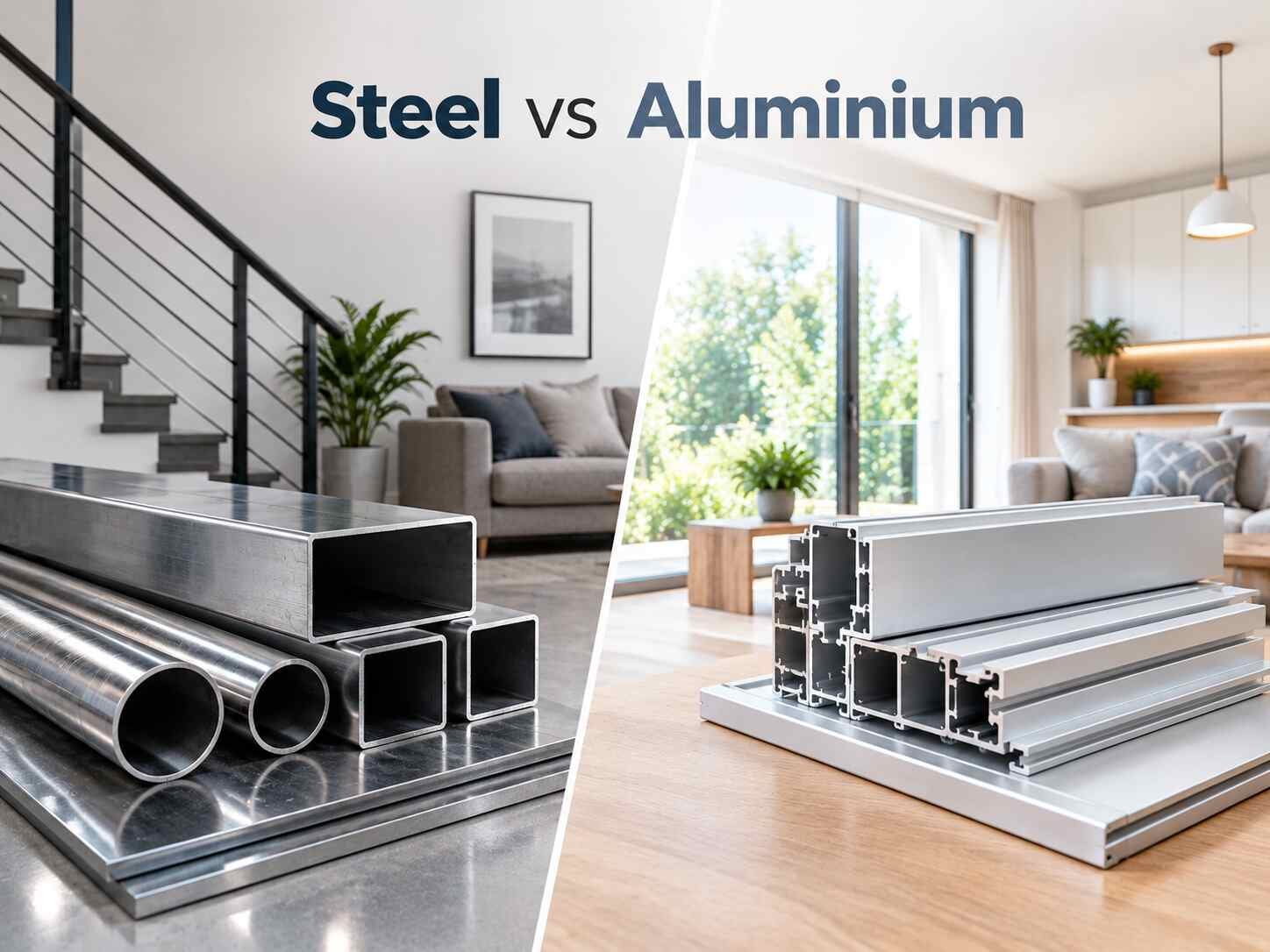
Steel and Aluminium: What Is the Difference?
Steel and aluminium are both widely used in residential construction, but their properties are quite different.
Steel is an alloy based primarily on iron and carbon. It comes in many grades, including carbon steel, mild steel, stainless steel and galvanized steel. The World Steel Association describes steel as a major engineering and construction material and notes that there are thousands of steel grades designed for different requirements.
Aluminium is a much lighter metal. Its alloys can offer a useful combination of strength, workability and corrosion resistance. The Aluminium Association notes that aluminium's high strength-to-weight ratio makes it particularly useful in building applications.
That basic difference explains why both materials continue to appear in modern architecture.
Also Read: Iron Gate vs Steel Gate: Which Is Better for Your Home & Business?
Steel vs Aluminium Durability: Which Lasts Longer?
Durability depends on the material, grade, design, environment, surface treatment and quality of installation. So it would be misleading to say that one material always lasts longer.
Steel has excellent structural strength and can provide long service when it receives suitable corrosion protection. Paint systems and galvanization can protect steel from moisture and oxygen, while zinc coatings can provide additional protection against corrosion.
Aluminium naturally forms a thin oxide layer that helps protect the surface from corrosion. The Aluminium Association identifies corrosion resistance and durability among aluminium's important construction properties.
So, in the steel and aluminium difference, the real question is not simply "Which lasts longer?" It is "Which material and finish suit the conditions of my project?"
Steel Strength and Durability vs Aluminium's Light Weight
If strength and rigidity are your main concerns, steel deserves serious consideration.
Steel has a high strength-to-weight ratio and remains a key material for structural and construction applications. Advanced steel grades can also provide high strength while reducing the amount of material required for certain applications.
Aluminium takes a different approach. It is a lightweight material, which can make transportation, handling and installation easier. The Aluminium Association reports that aluminium can weigh substantially less than steel in comparable structural applications.
This makes aluminium particularly useful when reducing overall weight matters.
For heavy-duty doors, security-focused structures or applications where rigidity is important, steel can be a practical option. For lightweight frames, selected doors, windows and other applications where corrosion resistance and easy handling matter, aluminium can be very useful.
Corrosion and Rust: Which Material Performs Better?
This is one area where homeowners often get confused.
Steel can rust when exposed to moisture and oxygen. However, rust is not inevitable. Proper coating, maintenance and material selection can significantly improve steel's resistance to corrosion. Galvanized steel uses a zinc coating to provide additional protection, while suitable paint or powder coating can act as a barrier.
Aluminium behaves differently. It does not develop conventional red rust like carbon steel because it forms a protective oxide layer. That makes corrosion resistant aluminium useful for many exterior applications.
However, "corrosion resistant" does not mean "immune to every environment." Alloy selection, surface treatment, design and exposure still matter.
Cost and Maintenance: What Should Homeowners Consider?
Material cost is only one part of the overall project cost.
Your final cost can depend on the grade, thickness, design complexity, fabrication, finish, hardware, installation and project dimensions. A simple comparison based only on the price of raw metal can therefore give a misleading picture.
Maintenance matters too.
Steel may require attention to its protective finish, especially where the surface becomes damaged or where the installation faces persistent moisture. Aluminium generally has an advantage in corrosion resistance and can require less corrosion-related maintenance in suitable applications. Industry research also identifies aluminium's low weight, corrosion resistance, durability and ease of installation among its commonly cited advantages.
For homeowners, the smarter question is: What will the complete installation cost over its expected lifespan?
Appearance, Finish and Modern Design
Modern homes have made metalwork much more than a purely functional feature.
Steel can create a bold, solid appearance that works well with contemporary, industrial and minimalist designs. It can also support a wide range of fabrication styles and finishes.
Aluminium offers excellent design flexibility because manufacturers can form it into different profiles and shapes. It is widely used in building products such as windows, doors and curtain-wall systems.
Powder coating can also provide colour and surface protection for suitable metal products. The final appearance depends on the material, preparation, coating system and workmanship.
In other words, modern design does not belong exclusively to steel or aluminium. Good fabrication does a lot of the heavy lifting.
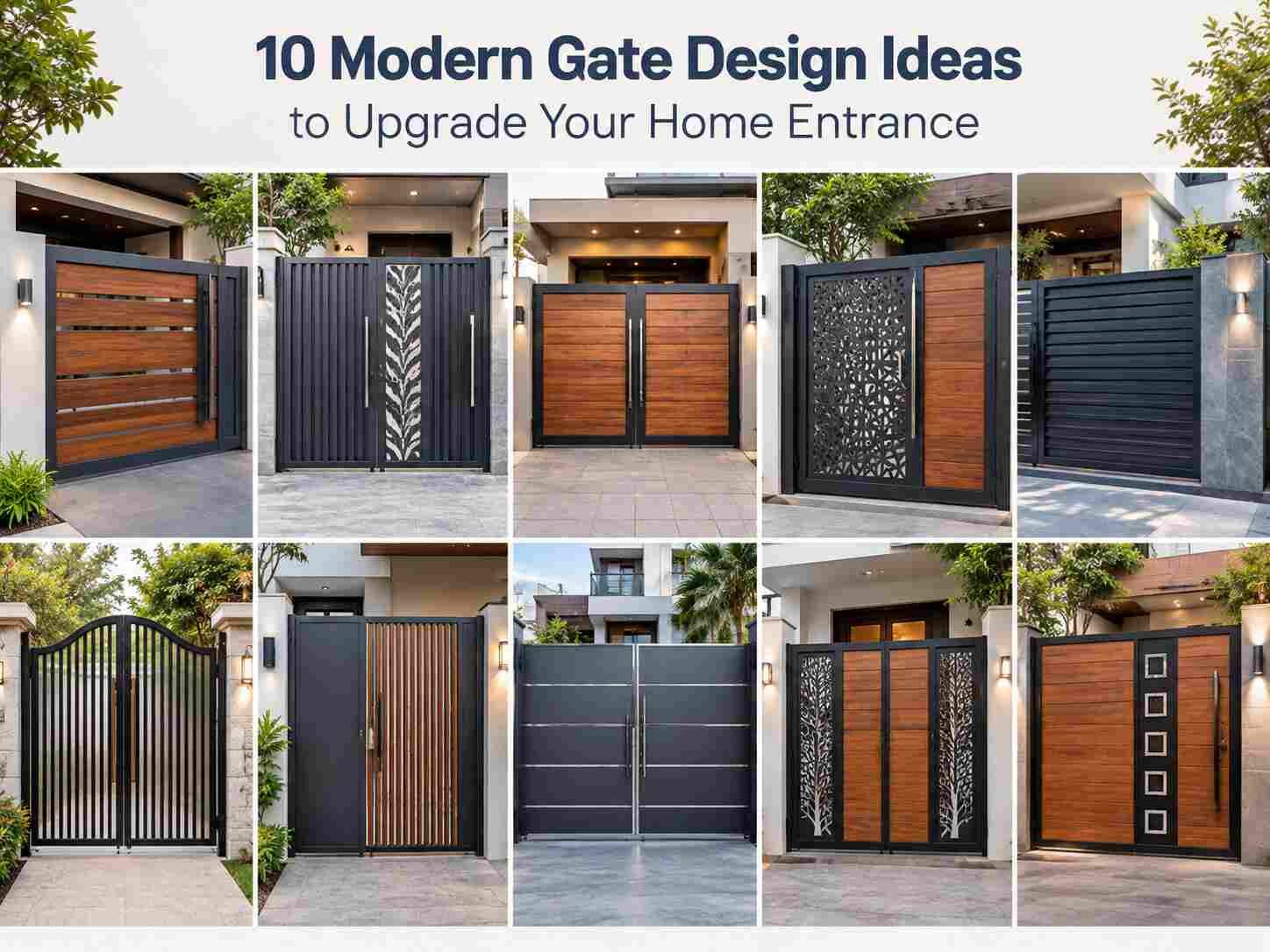
Which Material Is Better for Gates and Doors?
For a gate or door, the correct choice depends on the required strength, size, weight, design and location.
Steel can be a strong choice where a robust, rigid installation is required. It is also available in different forms, from mild steel to stainless and galvanized options.
Aluminium can be attractive when a lighter installation is desirable or when corrosion resistance is a major consideration. This is one reason aluminium is widely used in building doors, windows and related applications.
If you are comparing options with aluminium gate manufacturers in Delhi NCR, ask about the alloy, profile, thickness, finish, hardware and installation method rather than judging the product only by its appearance.
For steel projects, experienced steel fabrication services in Delhi NCR can help match the grade, dimensions, fabrication method and protective finish to the actual application.
What About Stainless Steel?
Stainless steel deserves separate attention because it is not the same as ordinary carbon or mild steel.
Its corrosion resistance comes from its alloy composition and the passive surface layer that forms on the material. Different stainless grades have different properties, so the correct grade depends on the environment and application.
Stainless steel applications can include architectural features, railings, fittings and other areas where appearance and corrosion resistance matter.
It may cost more than basic steel, but material selection should always follow the project's actual requirements rather than simply choosing the cheapest option.
Steel or Aluminium for Home: Which Should You Choose?
There is no universal winner in the steel vs aluminium debate.
Choose steel when your project places greater emphasis on strength, rigidity, robust construction or a particular fabricated appearance. Consider aluminium when low weight, corrosion resistance, ease of handling and design flexibility are higher priorities.
The best material also depends on whether you are working on doors, gates, railings, frames or another part of the home.
Before making a decision, compare the material grade, thickness, fabrication quality, finish, installation method, maintenance requirements and expected service conditions.
For homeowners planning a customized project, professional steel fabrication services in Delhi NCR can help translate these requirements into a practical design rather than treating every project as a one-size-fits-all job.
Final Verdict
So, steel vs aluminium: which one is better for modern homes in 2026? Steel is often the stronger choice when strength and rigidity take priority, while aluminium can be a better fit when low weight and corrosion resistance matter more. Neither material is automatically “better.” The right choice depends on the application, environment, design, maintenance needs and quality of fabrication. For reliable and customised metalwork solutions, Bharat Steel Fabricator can help you choose an option that fits your property's practical and design requirements.
Ultimately, choose the material for the job rather than simply choosing the one with the better sales pitch. Consider strength, durability, appearance, maintenance and long-term value before making your decision. If you are planning a new gate, door, railing or other metalwork for your home, contact us to discuss your requirements and find a suitable solution for your project.